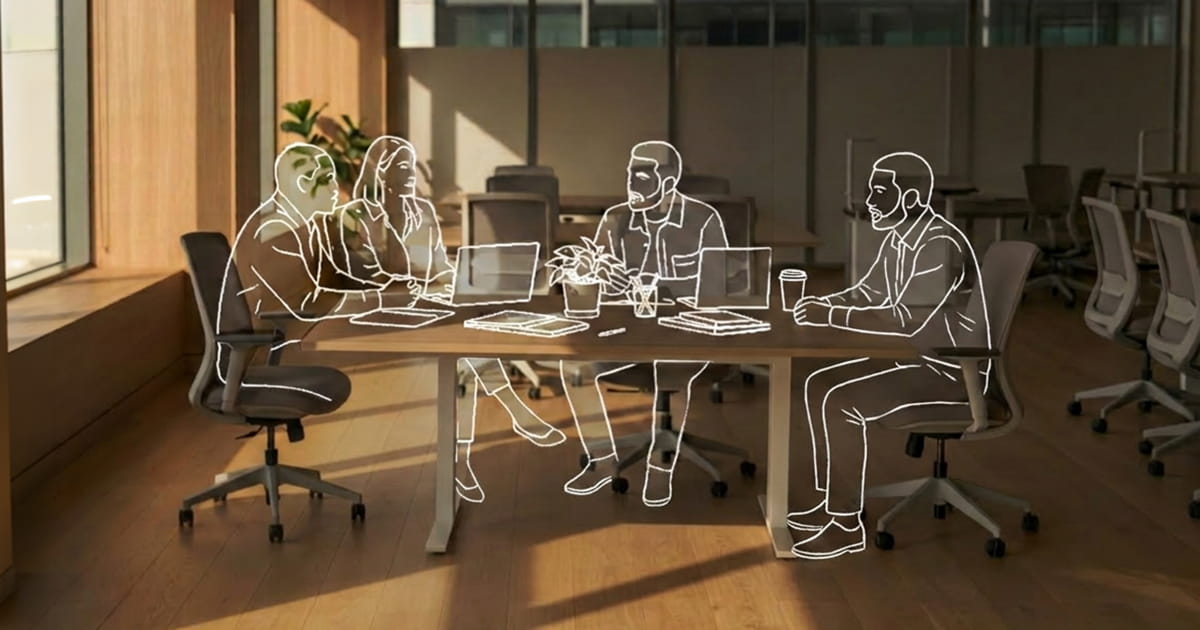
No business stays the same forever. Teams expand, new technologies emerge, work styles evolve, and customer expectations shift over time. Yet many offices are designed only for the company’s current needs, making them difficult and expensive to adapt later.
A workspace should do more than meet today’s requirements. It should be flexible enough to accommodate change while continuing adding value as your business evolves. By designing with adaptability in mind, organizations can avoid frequent renovations and make smarter long-term investments.
Why Adaptability Matters in Modern Workplaces
An adaptable workspace is designed to evolve alongside the needs of a business. As teams grow, priorities shift, and new ways of working emerge, the office should be able to accommodate these changes without requiring major redesigns. Flexible layouts, movable furniture, and multi-purpose spaces allow organizations to reconfigure their workplace for different teams, tasks, and activities with ease. Beyond improving day-to-day functionality, an adaptable workspace supports long-term growth by helping businesses respond to change more efficiently while creating an environment that encourages employees to embrace new ways of working.
The Evolving Purpose of the Modern Workplace
The role of the office has changed along with the way people work. With hybrid work becoming more common, employees no longer come to the office simply to complete their tasks. Instead, they come together to collaborate, share ideas, and connect with their teams. As a result, workplaces are increasingly being designed to support meaningful in-person interactions and make the most of the time employees spend on-site.
Flexibility has become an essential part of the modern workplace, not only in terms of remote and in-office work but also in how office spaces are designed. Traditional, fixed layouts are being replaced by environments that can adapt to changing work styles and business demands. Offices that lack flexibility can make it harder to accommodate growth.
Support Diverse Ways of Working
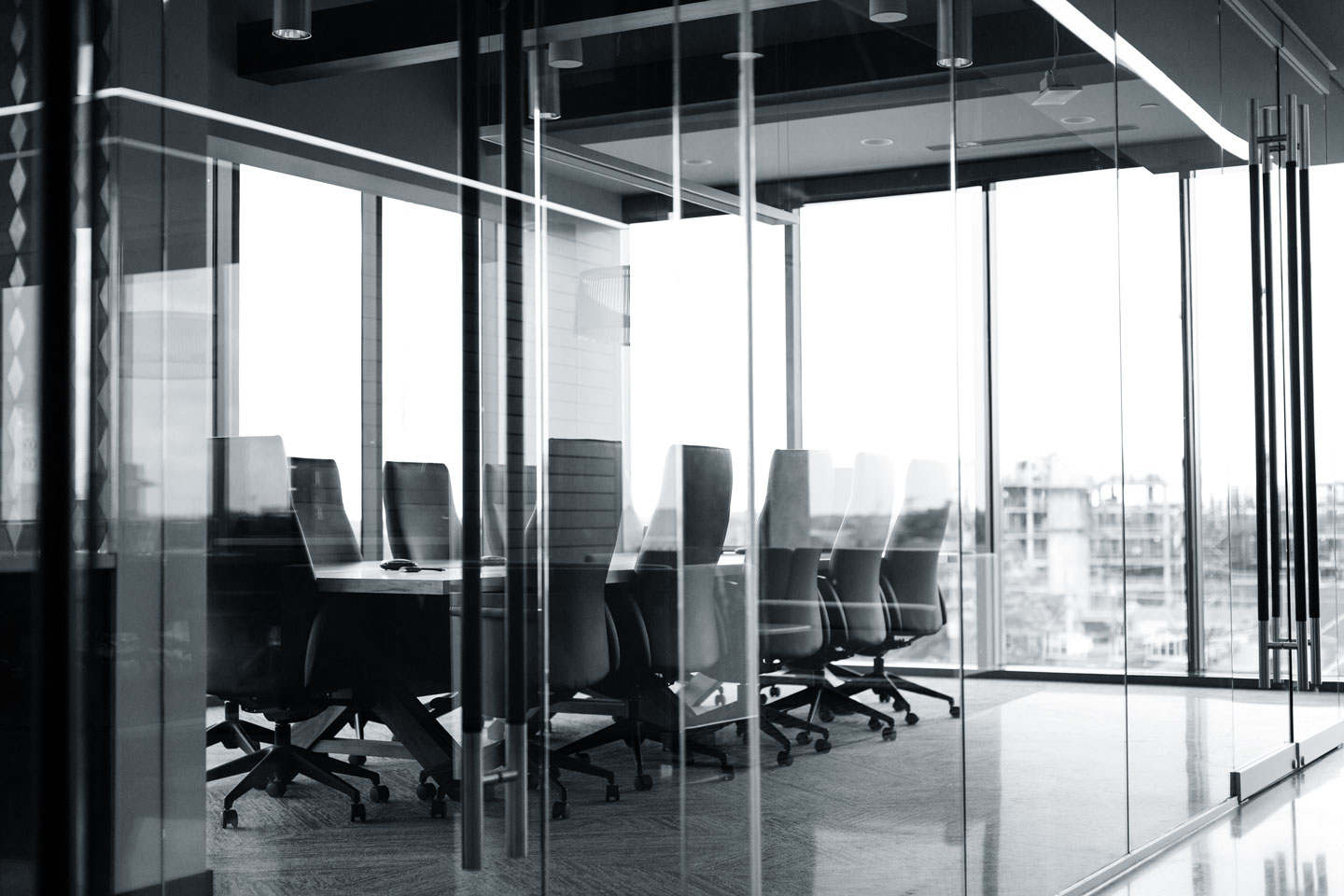
Flexibility goes beyond open spaces movable furniture, it starts with how the workplace is designed. Features such as modular layouts, operable walls, flexible meeting spaces, and scalable technology make it easier for offices to adapt as business needs change. Instead of relying on fixed layouts, businesses can quickly reconfigure their spaces for different activities without major renovations.
Today’s workplace supports a wide range of tasks, from individual focus to team collaboration and virtual meetings. A single office layout cannot effectively accommodate every type of work. By providing a variety of work settings, businesses give employees the freedom to choose the environment that best suits their tasks, helping improve productivity and the overall workplace experience.
This approach reflects the principles of Activity-Based Working (ABW), where employees use different spaces based on the work they need to accomplish. Rather than assigning one desk for every activity, the workplace is designed to support a diverse workstyle to focus throughout the day.
Preparing Your Workplace for What’s Next
As the workplace continues to evolve, adaptability has become essential. A flexible office enables businesses to respond to changing needs without disrupting daily operations. It supports new ways of working while creating an environment that can grow alongside the organization and its people.
Workplace design also reflects a company’s culture and values. As employees place greater importance on work-life balance and meaningful collaboration, offices should provide spaces that support both productivity and connection. Flexible work environments encourage employees to share ideas, work together more effectively, and make the most of in-person interactions. By investing in an adaptable workplace, companies can foster employee engagement and create a space that remains relevant as the business continues to grow.