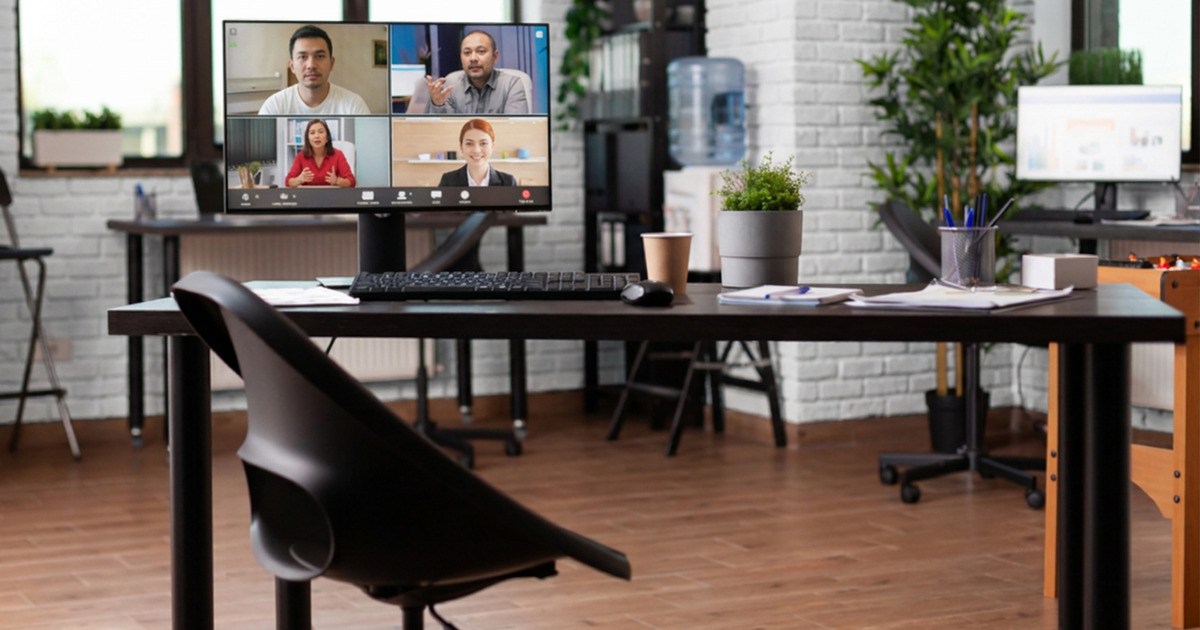
Data shows that 82 percent of Philippine organizations have adopted some form of hybrid work. This changes how offices, especially in Metro Manila is being designed as people come in more intentionally for a specific type of work.
Generally, this means more space for collaboration and focus, reliable meeting technology, and a booking system. The workplace is no longer a house for everyone but designed to give teams a reason to show up and work together.
What is hybrid work?
Hybrid work is a setup where employees split their time between the office and other locations, most often their home. In the Philippines, most companies require two to three days a week in an office for collaboration, client work, and team rituals.
How common is hybrid work in the Philippines?
This work arrangement is more mainstream but the office remains central. This is much more evidenced by well-designed offices and its ability to attract people to report to the office.
There are Philippine laws such as the Telecommuting Act and CREATE MORE Act that allow for work-from-home arrangements on voluntary basis, and keeping tax incentives looser for PEZA-registered firms.
How can companies design their office for hybrid work?
Many companies are now designing for what people do rather than headcount.
- Measure peak attendance
Size the office based on how many people are present on the busiest day and design it with a little growth buffer. Desk sharing is now normalized to save space or reallocate it to zones that will help bring more people in.
- Plan zones by activity
Hybrid offices now have a mix of zones built for different kind of work such as focus, meeting collaboration, social and recharge, and touchdown and flex.
- Invest in meeting rooms
With hybrid work comes more people dialing in for meetings. The meeting area should now be fitted with a camera that can capture the whole table, screens for participant visibility, and microphone availability. This includes planning cabling, mounts, and power during fitout. Some may favor smaller rooms or phone booths for better accessibility.
- Control Noise
Hybrid offices can mean people or groups being in different calls or work all day. Having the right acoustic panels, ceiling baffles, and partitioned quiet zones will be crucial.
- Booking matters
Sharing spaces is ideal but may cause confusion or unnecessary friction so a reliable desk and room booking system makes this easier. Occupancy data allows for better future planning on allocation.
- Layout Flexibility
Keep spaces flexible with modular furniture, movable partitions, and flex zones to match attendance patterns or team size shifts.
- Consider a hub-and-spoke setup
Having multiple locations nearer where the majority of your workforce can help make the main office smaller to boost productivity. It can cut down commute time and lease cost as well.
Need this refresh for 2027? Contact bd@corebilt.ph today.