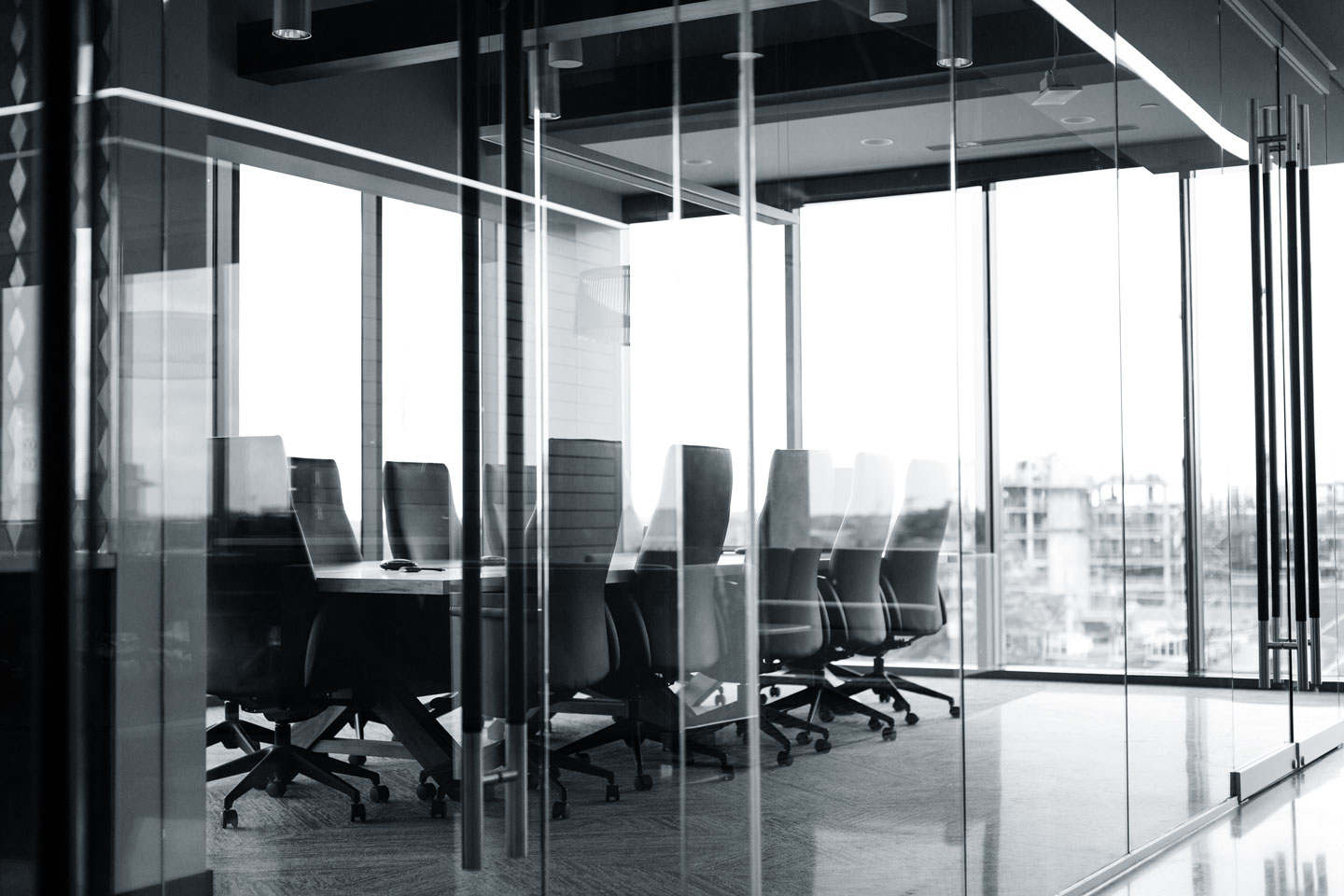
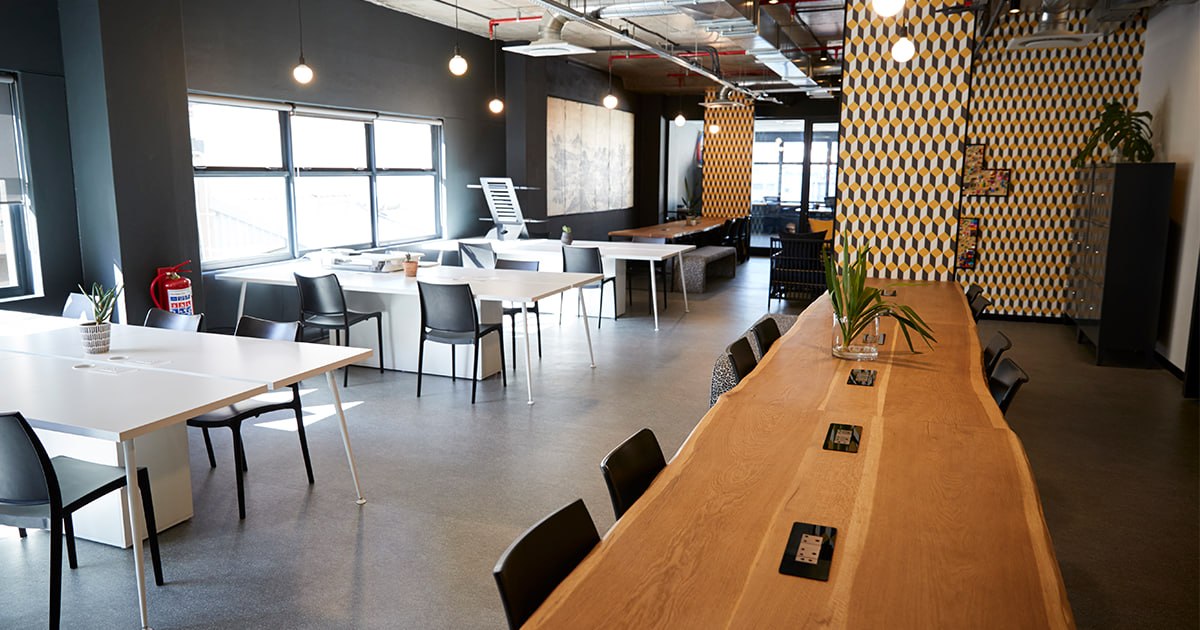
The modern office continues to evolve as business requirements, scale, and operations vary. A good office design and workplace strategy can improve productivity by 15-20% with better acoustic management, optimized lighting, activity-based work zones, and wellness focused environments.
What is Agile Workspace?
An agile work environment follows four core principles: flexibility, collaboration, adaptation, and efficiency. This often combines open space layouts for collaboration, communal spaces become break areas, and private pods for focused work.
Employees often can adjust their workspaces depending on their kind of activity and productivity level expected.
Characteristics of Agile Workplaces:
- Comfort – temperature seating, varied work-surface heights
- Flow – easy access, logical relation between workspaces
- Rearrantability – noise level appropriate, adjustable to activity
- Autonomy – adapts to user, frequently assessed
What is Activity-Based Working (ABW)?
Many businesses are employing an Activity-Based Working strategy to reduce real estate footprint by 30 to 40%. ABW still relies on two core principles: autonomy and collaboration.
ABW Distinct Zone Types
- Focus Zones – Quiet, low-noise areas to help employees do uninterrupted individual work and usually include library-style desks, solo, noise-canceling pods and acoustic enclosures.
- Collaboration Hubs – Open or semi-open spaces with movable desks and furniture conducive for meetings, team huddles, and other meeting of the minds initiatives.
- Hybrid-Ready Spaces – Multi-purpose and specialized rooms that can be converted as focus areas or collaboration hubs when activities require a certain level of privacy or discretion.
- Transition and Calm Zones – These spaces are often designated for decompression and activities for deep focus or zero interruptions. There is also minimal foot traffic, subdued lighting, visual privacy, and even biophilic elements to help with the overall ambience.
- Social, Breakout Zones – These zones are often seen as informal areas designed for casual interaction, breaktimes, networking, and spontaneous activities.
How to decide which is the best match for your business
ABW strategy works best for individuals as it grants autonomy on where it is best to work or how to work while agile workplaces are better to foster collaborations, team work, and group outcomes.
In broader principles of design, agile philosophy looks at work patterns but this can be integrated with ABW principles for their physical space.
Businesses tend to adopt a hybrid form of both to achieve the best productivity and efficiency level for their operations.
Refreshing your space? Contact us at bd@corebilt.ph to bring your vision to life!