
Overview:
- Key Trends Driving Smart Infrastructure Adoption
- The Growing Demand For Intelligent Buildings
- Benefits Of Integrating Smart Infrastructure During Construction
- How Smart Infrastructure Supports Sustainable Development
- Corebilt’s Approach To Information Technology In Construction
- Future-Proofing Your Projects With IT Services
Have you ever considered how early integration of smart infrastructure can transform a building project? In today’s fast-paced technological environment, construction is no longer just about laying bricks and pouring concrete. Integrating intelligent systems during the construction phase is essential to ensure buildings are adaptable, efficient, and prepared for the digital demands of the future. Companies that embrace these practices can optimize performance, reduce costs, and provide long-term value to occupants.
Key Trends Driving Smart Infrastructure Adoption
- According to Mobility Foresights (2025), the Philippine’s smart building market is expected to grow from USD 41.2 billion in 2025 to approximately USD 97.6 billion by 2031, with a compound annual growth rate of about 15.3 percent.
- Mobility Foresights (2025) notes that adoption of IoT, automation, and AI-driven systems is rising rapidly, enabling real-time energy management, predictive maintenance, and improved occupant comfort and safety.
- Colliers (2024) highlights that increasing regulatory and market pressure for sustainability and green building certifications is driving adoption, with more than 17 buildings in the Philippines, totaling over 650,000 square meters, pursuing global smart building certifications such as WiredScore and SmartScore.
- Hybrid work models and changing business practices, particularly in Metro Manila and other business hubs, are driving demand for smart offices and flexible, technology-enabled workspaces, according to Ken Research (2025).
- Energy costs and environmental concerns are encouraging adoption of smart systems, with Mobility Foresights (2025) reporting that smart building automation and energy-efficient solutions help reduce operating expenses while aligning with sustainability goals.
The Growing Demand For Intelligent Buildings
Construction activity remains strong in the Philippines. The overall construction industry is projected to grow by around 6.2 percent in 2025, supported by rising investments in infrastructure and building permits, as reported by Finance Yahoo (2025). The Philippine Statistics Authority (PSA, 2025) also shows that in January 2025, the total approved building permit value rose by 26.1 percent compared to the previous year, indicating robust activity in both residential and non-residential projects.
As construction and real estate activity expand, there is a growing opportunity to embed smart infrastructure from the outset rather than retrofit later, capturing long-term efficiencies and added value, according to Mobility Foresights (2025). Ken Research (2025) highlights that rising investments in new projects create favorable conditions for integrating intelligent building technologies. Embedding smart systems during design and construction not only supports energy efficiency and sustainability goals but also provides long-term operational and financial benefits (Mobility Foresights, 2025).
Benefits Of Integrating Smart Infrastructure During Construction
Integrating smart infrastructure during the construction phase improves cost efficiency. Implementing intelligent systems during the build prevents expensive retrofits and allows for the design of electrical, plumbing, and HVAC systems with technology in mind.
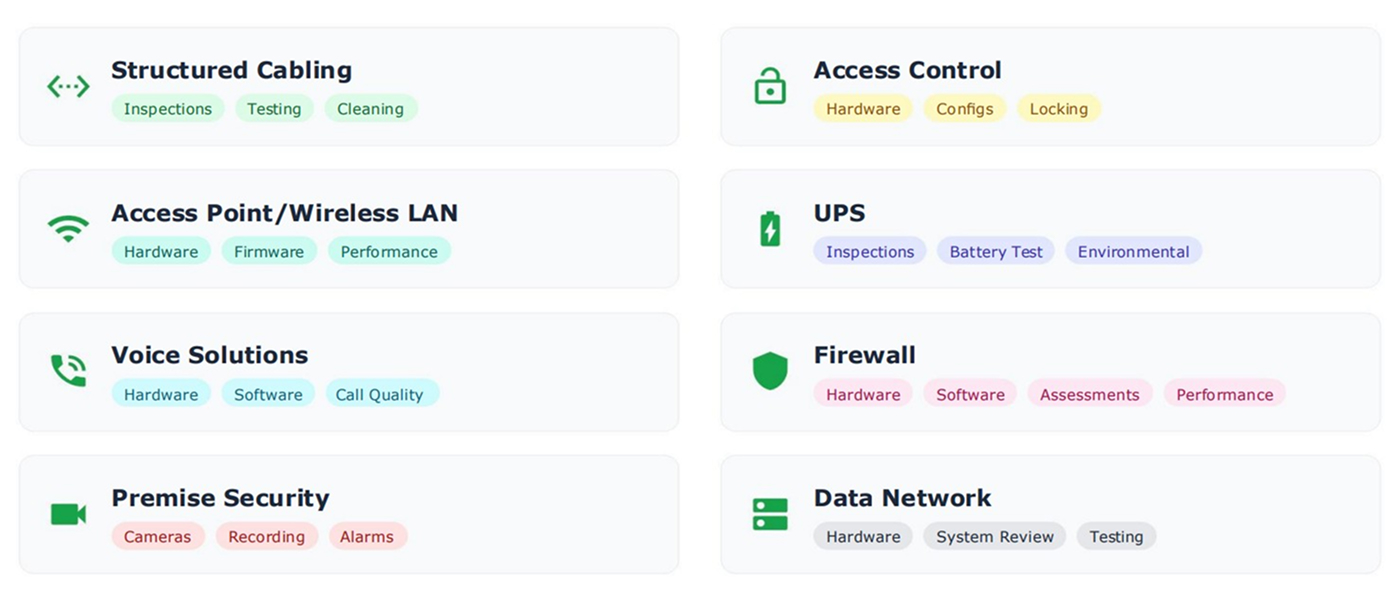
Smart infrastructure enhances building security and safety. Systems such as automated access control, real-time surveillance, and automated emergency response are more reliable and cost-effective when embedded in the initial design. With Corebilt IT services, construction companies in Manila can leverage comprehensive t services that support end-to-end project management, ensuring all technological components work harmoniously.
Integration of smart systems increases occupant satisfaction. Automated lighting, climate control, and smart elevators improve comfort and convenience. For commercial projects, smart offices enable flexible workspace management and support hybrid work models, a growing demand among businesses in Metro Manila and beyond.
How Smart Infrastructure Supports Sustainable Development
Sustainability is a central consideration for developers, tenants, and regulators. Smart building systems allow for real-time monitoring and management of energy consumption, water usage, and environmental controls. Building management systems significantly reduce energy waste and carbon footprint by optimizing lighting, cooling, and ventilation based on actual occupancy and usage.
As global and local investors increasingly consider environmental, social, and governance factors, smart buildings with certifications such as WiredScore or SmartScore or green-certified designs can offer stronger appeal, especially for international tenants or institutional investors.
Corebilt’s Approach To Information Technology In Construction
Corebilt IT services are designed to help construction projects succeed in the era of smart infrastructure. Our team in Manila specializes in implementing t services tailored to embed smart infrastructure from the construction phase, from network backbone design and IoT planning to building automation, energy management systems, and long-term maintenance frameworks.
Using modern information technology practices, Corebilt ensures buildings are not only ready for today’s demands but scalable for future advancements. Whether a project is residential, commercial, or mixed-use, our approach builds digital readiness into the core structure, driving efficiency, sustainability, and asset value.
Future-Proofing Your Projects With IT Services
Smart infrastructure is rapidly shifting from being optional to foundational for any new build, especially in urban centers. With the expected growth of the smart building market in the Philippines and rising demand for energy-efficient, connected buildings, developers who integrate smart systems early position their projects ahead of the curve.
Partnering with Corebilt it services means choosing a future-ready path with scalable infrastructure, efficient operations, better occupant experience, and long-term asset value.
Partner With Corebilt For Smarter Construction
Ready to build smarter and future-proof your projects? Contact Corebilt today to learn how our IT services can support your next construction endeavor. Reach out at bd@corebilt.com to start the conversation.