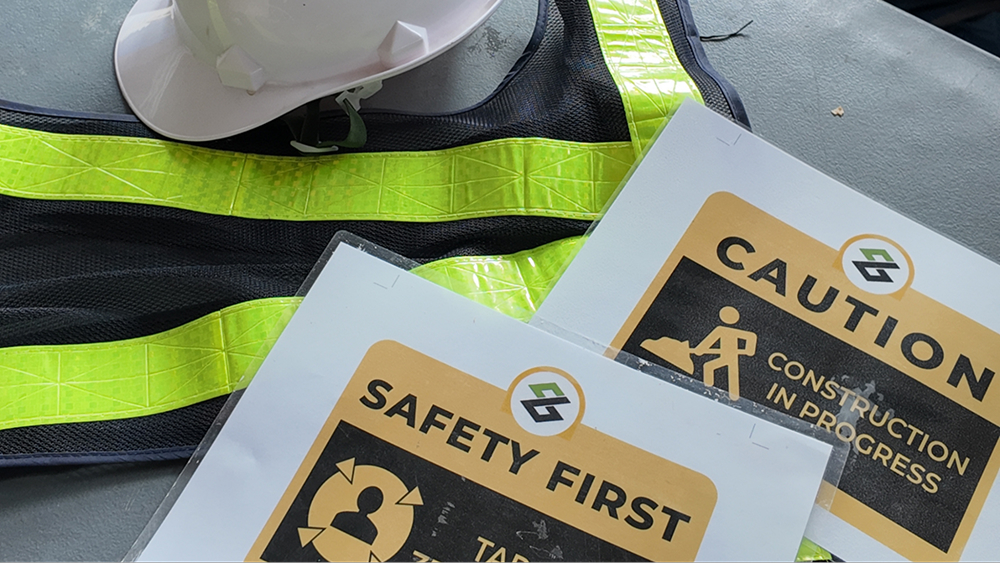
Overview of What We Will Cover
In the Philippines, construction remains to be largely traditional. Going beyond design and build, integration of other crucial aspects such as setting up Information Technology (IT) Infrastructure, and the Mechanical, Electrical, and Plumbing needs gives modern firms the edge to deliver better spaces in a timely manner.
Challenges in Current PH Construction Landscape
For years, the traditional design-build approach was often used in most Philippine construction sites. While it is tested and proven, it also presented key challenges that modern firms now address.
-
Fragmented coordination
In the traditional design-build, construction and design teams work separately which creates an adversarial relationship between the two. Poor coordination due to siloed work often results in delays, clashes, and costly rework.
These communication breakdowns between architects, designers, construction workers, and engineers affect the overall delivery and quality of the build.
-
MEP Coordination Challenges
Meticulous planning is required in the complex interdependency between mechanical, electrical, and plumbing requirements. Without much thought in MEP collaboration, space becomes a constraint for necessary equipment installations or multiple trades working without coordination can lead to errors.
Any conflict between ductwork, electrical conduit pathways, and plumbing pipes may require a design which will set back the construction timeline significantly.
-
IT Infrastructure as an afterthought
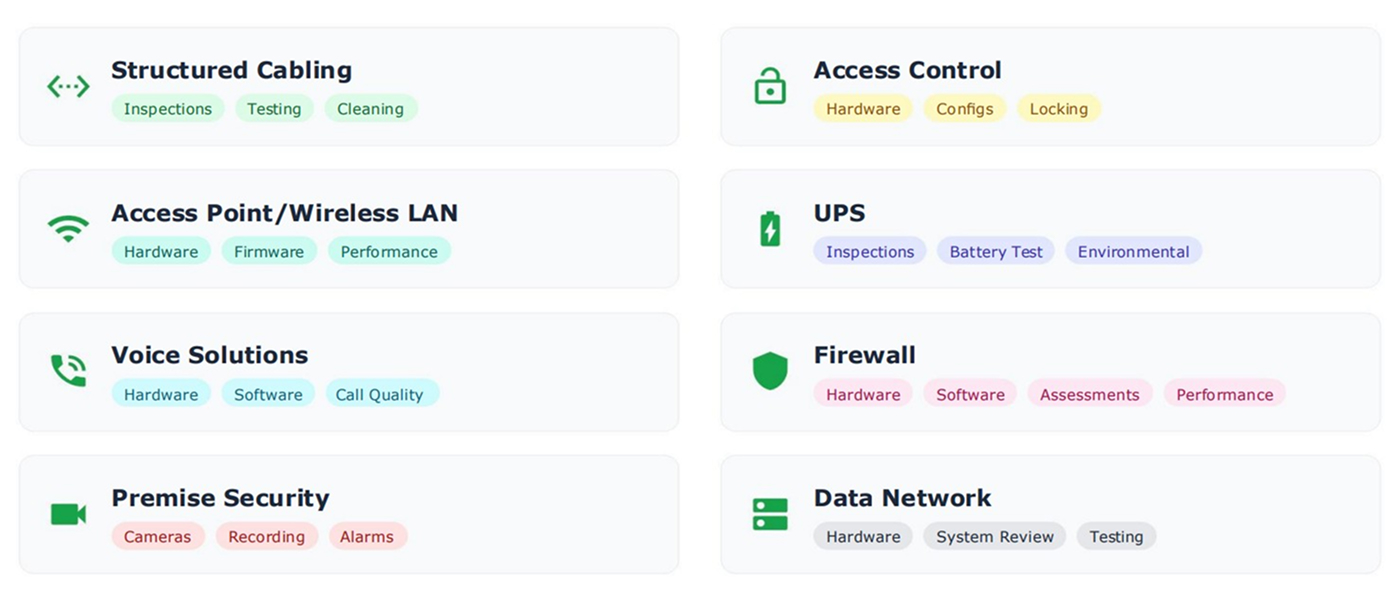
Modern commercial spaces now require proper structured cabling systems. Builds are now concerned beyond the utilization of the space but making it more functional. Sophisticated networking, backup power, high-speed internet, environmental monitoring, telecommunication systems, and other voice and data cabling must be planned out to ensure function meets overall design.
Explaining the Integrated Construction Advantage
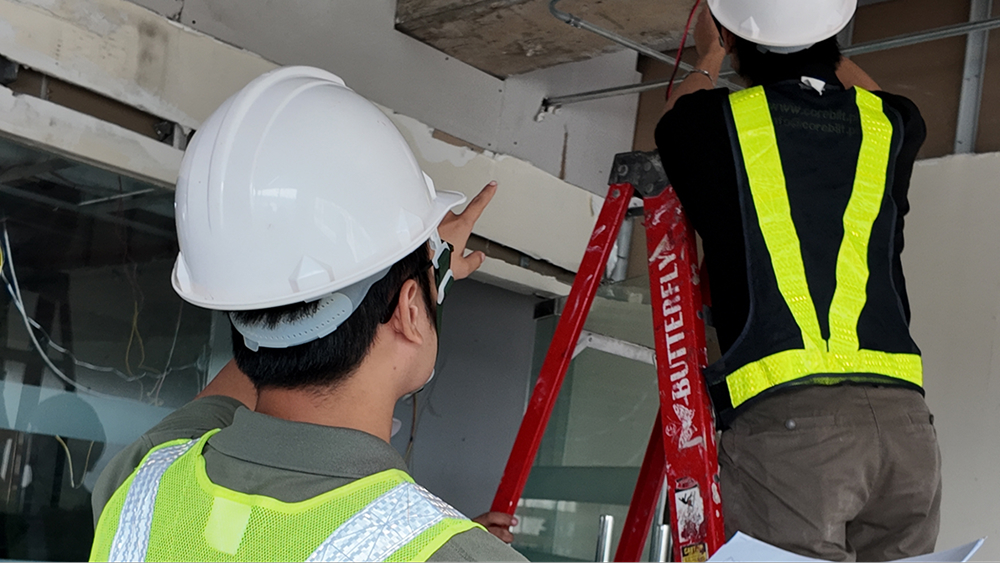
The Integrated Design-and-Build presents an advantage that most businesses or retailers must consider. Firms such as Corebilt bring this fully-evolved approach to creating better spaces in a more organized and timely manner.
-
Single Person Accountability
Working with one team can make coordination and planning much more efficient. Centralized collaboration and communication allow for faster decision making, and clear responsibility which prevents legal complexities or conflict.
-
Faster Project Completion
Recent data shows that integrated construction completes faster by 33 percent than traditional methods. The overlapping design and construction phases accelerate timelines especially in the Philippines where construction can be affected by natural causes such as the weather.
READ MORE: MEP System in PH Commercial Spaces
-
Cost savings
This approach allows for early budgeting which integrates cost estimation with design. On average, the savings can vary from three to six percent depending on the build requirements. Value engineering also gets employed which reduces cost and other budget overruns.
-
Enhanced Coordination
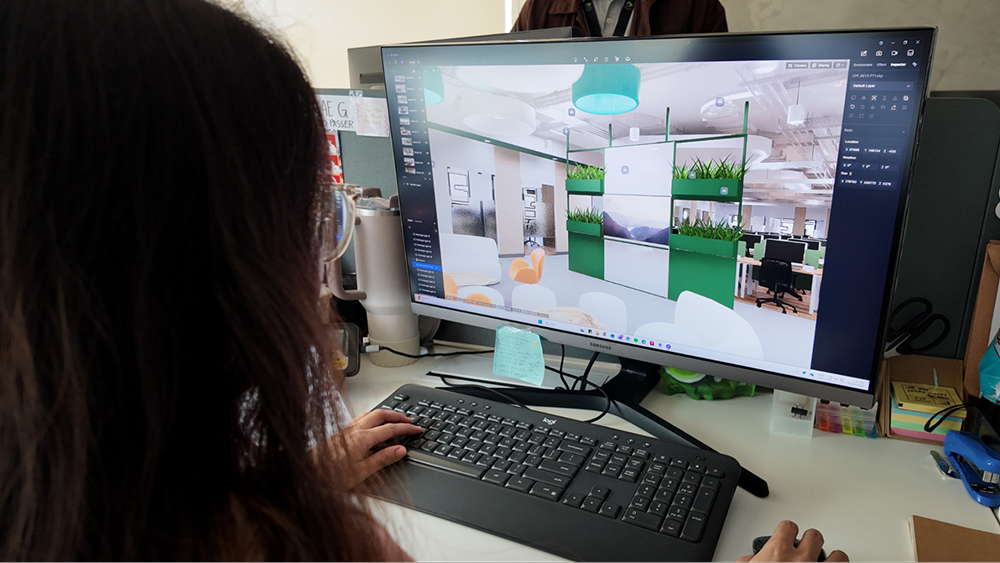
Early coordination between IT, design, and MEP can prevent clashes in the future. Certain technology such as the Building Information Modeling can allow visualization before construction, and can note any other pre-fabrication required in the space.
Build your spaces better with a fully-integrated and IT-supported approach. Contact bd@corebilt.ph to get started today.