
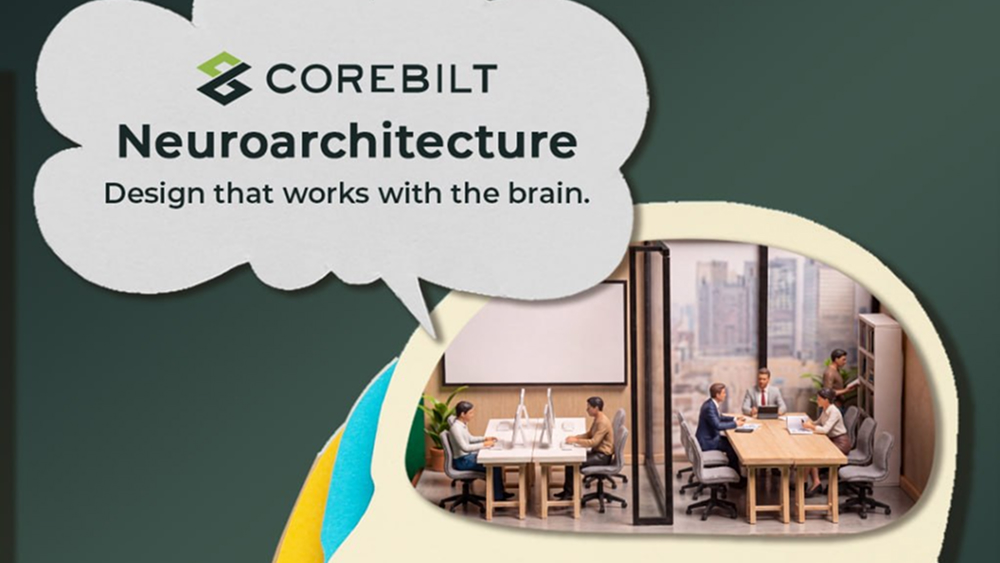
The human brain is constantly responding to the spaces around it. Because of this, workplace design plays a significant role in shaping how people experience their environment and approach their work.
This idea is at the heart of neuroarchitecture, an approach to design that combines neuroscience with architecture to create environments that support human well-being, focus, creativity, and collaboration.
As businesses continue to prioritize employee experience, neuroarchitecture is becoming an important consideration in designing workplaces that don’t just look impressive but also help stimulate employee performance.
What Is Neuroarchitecture?
Neuroarchitecture is an interdisciplinary field that brings together neuroscience and architecture to better understand how the built environment influences the human brain. It explores how the spaces people design and occupy affect the way they think, perceive their surroundings, and experience the world. By examining the relationship between the brain and the physical environment, neuroarchitecture shows that design can shape not only behavior but also emotions and cognitive processes.
Buildings are often judged by their appearance, but their impact extends far beyond what we can see. The spaces we occupy influence how we experience the world, shaping the way we think and interact with our surroundings. In this sense, architecture is more than a physical structure, it becomes part of our daily lives.
Buildings do more than provide shelter or support everyday activities, they also become part of how we perceive the world. The environments we create reflect the human mind, while at the same time shaping it. This perspective lies at the core meaning of neuroarchitecture, which recognizes that thoughtful design can have a lasting impact on the way people experience, understand, and connect with the spaces around them.
Why It Matters In Today’s Workspace
Employees spend a significant portion of their lives in the workplace. As they contribute to the success of a business, the spaces they occupy become part of their daily experience and can influence how they engage with their work. Because so much time is spent in these environments, workplaces should do more than simply support day-to-day tasks, they should be designed to promote well-being and create a positive experience for the people who use them.
Our experience of a space is shaped by more than the brain alone. It is influenced by the people we are, the environments we live in, and the social and cultural contexts that surround us. This means that workplace design cannot be separated from the human experience. The way employees perceive and interact with a space is shaped not only by its physical features but also by the meaning and experiences they bring into it.
Design Elements That Support the Brain
To further understand and incorporate effectiveness of neuroarchitecture, here are some design elements to consider in your workspace to help employee experience:
Natural Light
Exposure to daylight helps regulate the body’s internal clock, improves mood, and supports alertness. Offices that maximize natural light can create a healthier and more energetic work environment.
Acoustic Comfort
Constant noise and distractions make it difficult to concentrate. Incorporating acoustic panels, quiet zones, and sound-absorbing materials helps employees stay focused while reducing workplace stress.
Biophilic Design
Adding natural elements such as indoor plants, wood finishes, and views of greenery helps create a calming environment. Biophilic design has been associated with reduced stress and improved overall well-being.
Flexible Workspaces
Different tasks require different environments. Quiet spaces for focused work, collaborative meeting areas, and informal lounges allow employees to choose the setting that best supports their work.
Comfortable Ergonomics
Furniture that supports posture and movement contributes to physical comfort, reducing fatigue while helping employees remain productive throughout the day.
Turning Brain Science into Better Workplaces
By combining architectural design with insights from neuroscience, workplaces can be planned to create more “brain-friendly” experiences. At the same time, neuroarchitecture is not a one-size-fits-all solution. Every organization has its own way of working, and people experience spaces differently based on their individual needs and backgrounds. This is why effective workplace design requires more than simply applying trends or scientific findings. It requires understanding the people who will use the space and translating those insights into environments that support both employees and business goals.
For businesses, this means designing workplaces that respond to the complexity of the human brain rather than expecting people to adapt to poorly designed environments. A well-designed office should do more than accommodate work. A well-designed office should do more than accommodate work. It should foster creativity by creating an environment where employees can develop innovative strategies to solve complex challenges and drive business success.
At Corebilt, we believe that great workplaces begin with understanding people. Our human-centered approach to workplace design combines research and strategic execution to create offices that enhance the employee experience while supporting long-term business performance. Whether you’re planning a new office, renovating an existing space, or rethinking how your workplace supports your team, we’re here to help.
Ready to build a workplace designed around your people? Connect with Corebilt to discover how our workplace strategy, design, and fit-out solutions can transform your office into a workplace that works in harmony with the way the human brain thinks, creating an environment where businesses can thrive. Visit corebilt.ph, email info@corebilt.ph, or contact our team to start the conversation.